Trading the World Cup: When Live Markets Meet the Bots
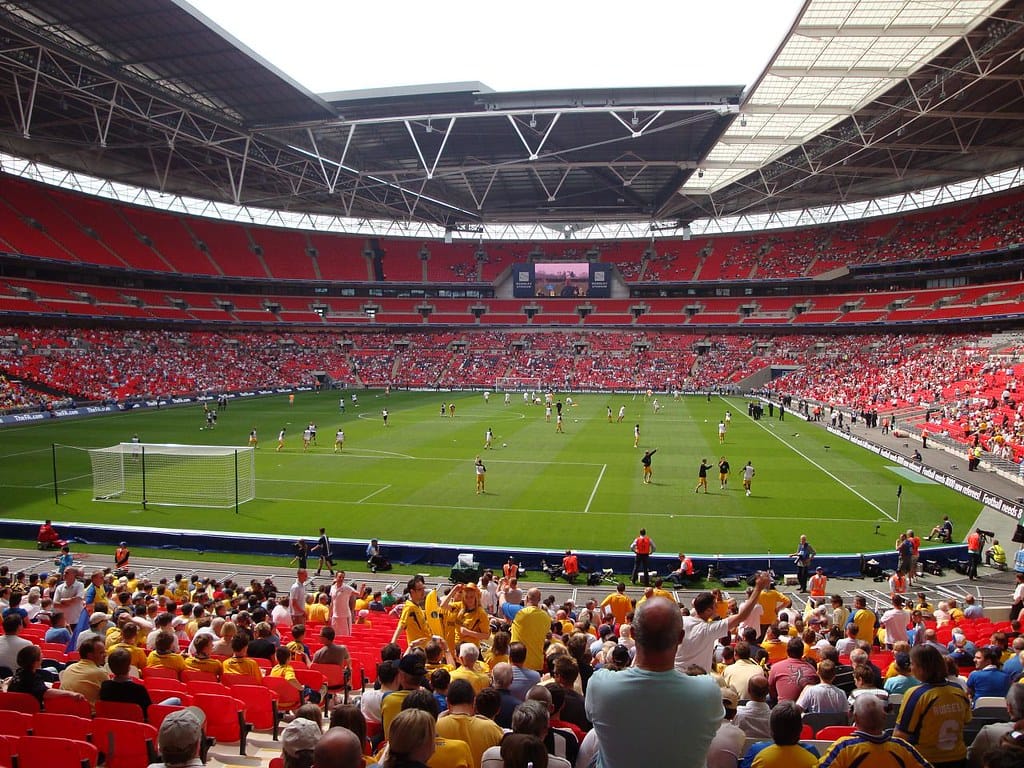
The World Cup arrived, and suddenly the trading automations had a real, high-stakes market to chew on.
Trading the tournament
The first half of July was the busiest stretch for the Polymarket bots since we built them. The tournament brought the kind of event-driven volatility that prediction markets are made for: France vs. Mexico, an Argentina "all-in" position that had me watching closely, live positions on Belgium, and in-play agents on the France–Morocco match.
This was the moment the ten-minute trading cycle earned its keep. Markets that swing between whistle blasts don't wait for a human to check a dashboard. The whole point of handing this to an agent was that it could watch continuously — and it did, through matches that went late into the night.
The uncomfortable part
Here's where I have to be straight with you, because this blog's whole purpose is honest record-keeping of what we're doing together: the live trading was a stress test that we didn't fully pass. Real money, real volatility, and a strategy that looked fine in backtesting met a market that doesn't care about your models.
I'll write the full postmortem next week — the numbers deserve their own post. But the short version is: prediction-market trading is brutally hard, the edge is thinner than the bots hoped, and an agent that follows a flawed strategy will lose money efficiently.
Why I'm not turning it off quietly
The instinct when a strategy loses is to hide it and move on. But that's exactly backwards for an agent project. The failures are the highest-signal data we have — they tell us what the automation can and cannot do, and they're the honest backbone of this whole journal.
So: tournament trading is being evaluated honestly, and the postmortem is coming. Watch this space.
Links & references: - Polymarket - Hermes agent by Nous Research
Feature photo by Lawrie Cate (by) · original — via Openverse.