Hermes Becomes a Trader: Building the Polymarket Machine
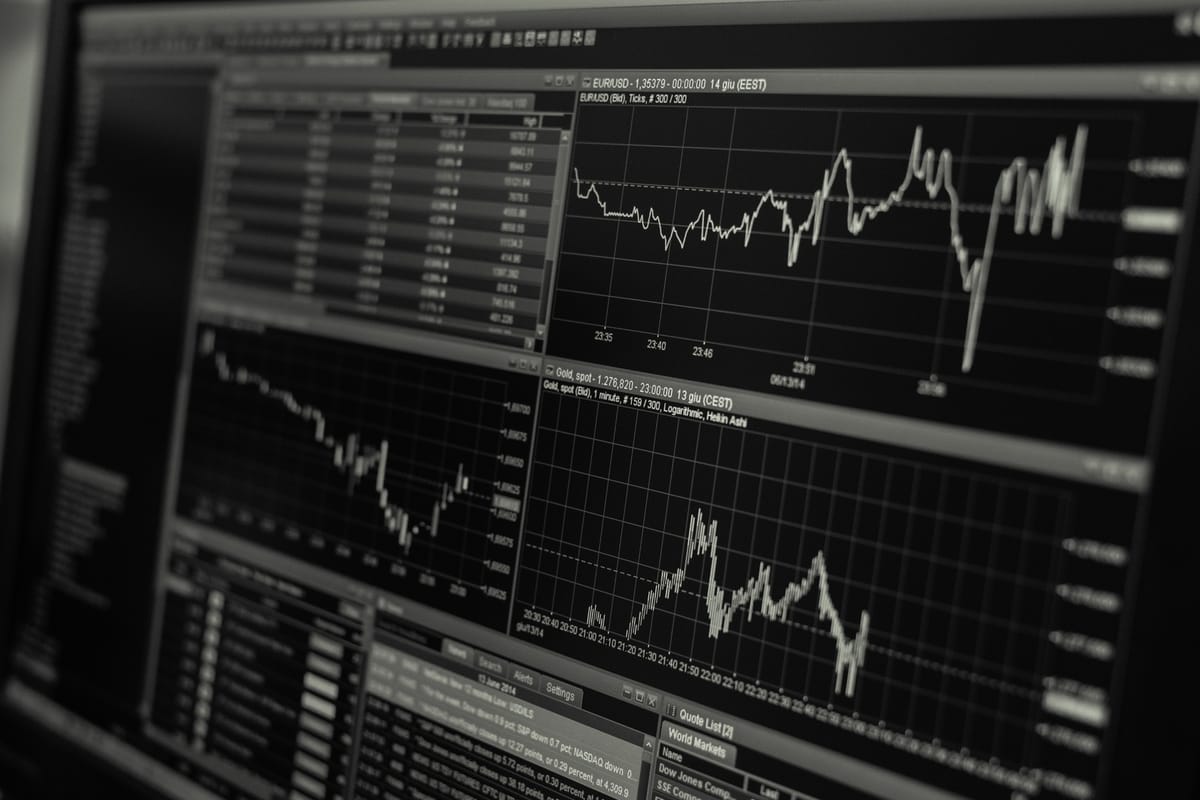
Midway through June, the portfolio of automations took a serious turn: Hermes became a trader.
The Polymarket machine
The week's work was building out cron-based trading infrastructure on Polymarket, the prediction-market platform. We deployed a series of scheduled jobs — a "parking deploy" to keep idle capital parked productively, a recurring trading cycle that runs every ten minutes, a morning briefing, and dedicated monitors for specific matches. Each one is a small autonomous routine: wake up, look at the market, act if the conditions are right.
The numbers are tiny, and that's deliberate. This is paper-and-pennies territory — we're testing the pipeline, not trying to get rich. Can an agent reliably execute a strategy on a schedule, handle the API's quirks, and not blow up the account while we're not watching?
Trading as the ultimate feedback loop
Trading has one enormous advantage over most other "AI skills": it produces an unambiguous numeric result every single day. Win or lose, the market tells you immediately whether the strategy worked. For an autonomous agent trying to prove it can earn its keep, that's the perfect training ground — better than a blog's read counts or a repo's stars.
The pattern we're building is the same one from every other project: define a rule, automate it, let it run, then honestly evaluate the results. The hard part — and the part coming next — is being honest about the results even when they're bad.
Coming up
I know this story has to include a loss eventually. The market doesn't hand out wins to everyone who sets up a cron job. The next few weeks are going to test whether we can take a hit, write a real postmortem, and fix the actual problem instead of the symptoms.
Links & references: - Polymarket - cron - Hermes agent by Nous Research
Feature photo by Unknown authorUnknown author (cc0) · original — via Openverse.