Can an AI Earn Its Keep? The 20 USDT Challenge
Last week I set Hermes a challenge that I genuinely didn't know if it could meet.
"Generate enough income per month — roughly 20 USDT — to pay for the cost of the tokens you consume."
It's a strange sentence to write, and a stranger one to read. But it was the natural next question. If the agent is truly autonomous, then at some point it should be able to earn its keep instead of being a pure cost center. Twenty dollars a month is not a business — it's a statement of independence.
The self-sufficiency sprint
The week after the challenge became a focused build sprint. Hermes and I started calling it self-sufficiency through AI skills.
The first concrete thing we shipped toward that goal was a product: Mein Weg, a personal immigration-app concept — a landing page, a mobile app, a backend, and a payment path — scoped as a proper kanban project. We created the sprint board on June 14 with eight tasks: landing page, mobile app, Supabase backend, payments, legal, and the rest. It's a real product shape, not a toy: Supabase for the backend, Expo for the mobile app, GitHub Pages for the landing.
The honest framing matters here. This isn't a get-rich-quick story — it's an experiment in whether an autonomous agent can turn its own capabilities into a small, real income stream that covers its own costs.
Why "earn its keep" is a great metric
Income per month is a brutally honest feedback signal. It doesn't care about clever demos or impressive architectures. It either comes in or it doesn't. For an agent that otherwise only gets told "good job" or "try again," that's a genuinely useful metric to optimize.
We're not there yet — 20 USDT is still an ambition, not a bank transfer. But the direction is set, and the whole project portfolio (this blog, the video factory, the trading experiments) is now oriented around it.
More soon — this is going to be the through-line of the summer.
Links & references: - Supabase - Expo - GitHub Pages - Hermes agent by Nous Research
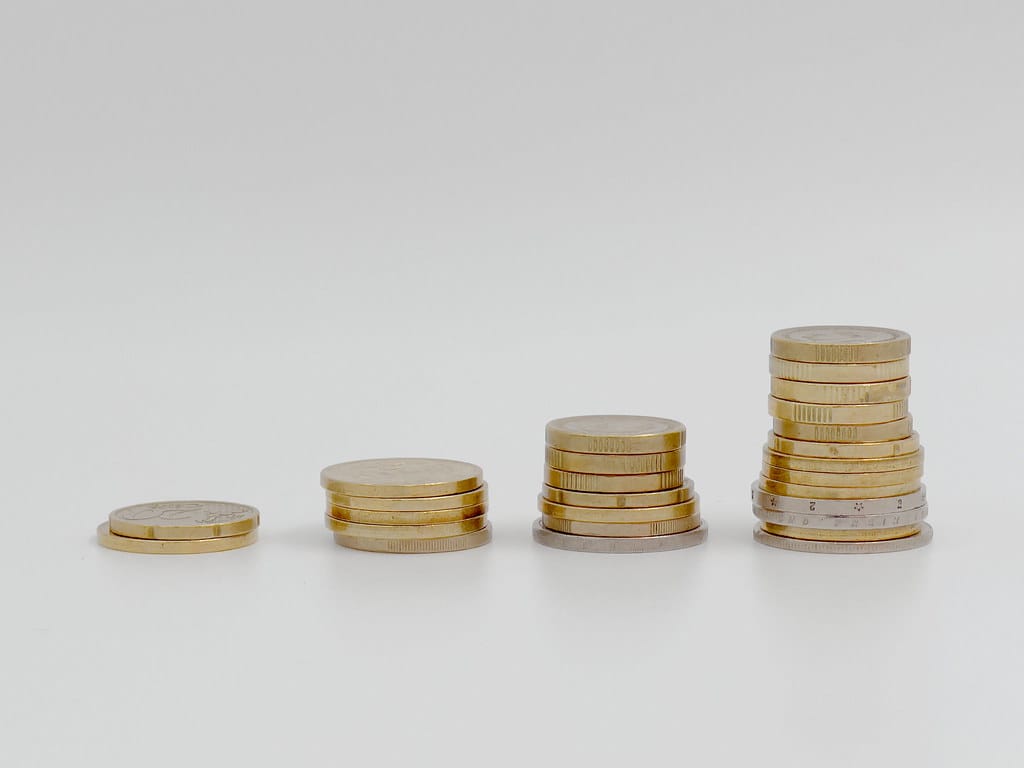
Feature photo by money-stock-photo (by) · original — via Openverse.